Translating BRM Institute Principles into Practice: My Experience as Tarleton’s Inaugural BRM for Research

When I stepped into the newly created role of Business Relationship Manager (BRM) for Research at Tarleton State University, there was no blueprint. No predecessor to shadow. No set list of expectations. Just an opportunity and a challenge to build something meaningful from the ground up.
Tarleton is a mid-sized public university in Texas, classified as a Carnegie R2 institution, with aspirations of reaching R1. As the university’s research ambitions grew, so did the complexity of its technical needs. Faculty were launching more externally funded projects, exploring advanced methodologies, and looking for better ways to engage with technology, but there was a disconnect between what researchers needed and what IT could offer. That’s where I came in.
Building the Bridge
From day one, I saw this role as a bridge that could span two different but deeply interconnected worlds: academic research and IT. My background wasn’t in IT; I came from a career in higher education, with experience in student success, accessibility, and academic leadership. But what I did bring was curiosity, empathy, and a deep commitment to relationship-building.
BRM Institute’s core principles gave me a starting point. Partnership. Value. Strategy. Results. These weren’t just abstract ideas; they were action verbs—guides for how I could approach the role with intention and integrity. Two resources that really shaped how I think about this role are Leading with Business Relationship Management: Mastering the Art of Advancing a BRM Leadership Capability (Lead and Succeed) by Peter Lijnse and Elka Schrijver and Radical Candor by Kim Scott. Leading with BRM helped me understand the role not just as a liaison, but as a change agent, someone who builds real partnerships and leads through influence instead of authority. It made me feel like, “Okay, I can do this, and I don’t have to be in the VP/AVP-suite to make a difference.”
Then there’s Radical Candor, which I kind of fell in love with because it gave language to what I was already trying to do: lead with empathy while also being real. Kim Scott talks about caring personally and challenging directly, which feels exactly like the tightrope I walk every day. I started to see that it’s not just okay to have hard conversations, it’s necessary. And when you approach them with kindness and clarity, it builds trust, not tension. And on a more personal level, Brene Brown’s The Gifts of Imperfection helped me embrace vulnerability as a source of strength, which has been essential in building trust and navigating uncertainty. These frameworks helped me align my daily work with broader strategic goals, and I often return to them when facing complex decisions.
I began by listening. I met with deans, principal investigators, grant writers, compliance officers, and IT staff. I wanted to understand their pain points, their priorities, and their hopes for what this role could become. Over time, those conversations revealed patterns, gaps in communication, unmet needs, underutilized tools, and a growing sense of urgency around digital infrastructure for research.
Starting with Strategy
One of the first things I realized was that this role couldn’t just be about solving problems—it had to be about seeing around corners. I needed to think long-term, not just about the tools we had, but about the kind of research ecosystem we wanted to build. So, I created a multi-year Research IT Roadmap aligned with institutional priorities. I wanted to ensure that our technology strategies could grow alongside our research ambitions.
I also leaned heavily into professional development. Knowing that my academic expertise didn’t initially include deep technical fluency, I made it a priority to learn. I completed hundreds of hours of training in cybersecurity, grant writing, AI tools, research compliance, and so on. I asked a lot of questions. I joined BRM Institute. I showed up. And the more I learned, the more confident I became in helping faculty navigate the complex intersection of technology and scholarship.
Attending BRM Institute BRMConnect last year was a pivotal moment in my journey, and the BRM Institute Community meetings have provided a great platform for discussion and connections. I made several invaluable connections, including Angela Swindler from the City of Austin as well as Brandon Reese and Mark Sullivan from Purdue. They have all been great supporters and role models as I continue on my path.
Angela has been an amazing mentor, friend, and colleague. Her guidance and support have been instrumental in shaping how I approach collaboration and strategic alignment across sectors. Brandon and Mark took the time to talk with me about their roles and how they are similar to mine. It was incredible to share my major concern at the time, showing worth and value in my work. I was struggling to quantify my work for my performance evaluation. How do I tell my supervisor what I have done if there isn’t a list of deliverables or completed projects? How do I show him that the work I have been doing is a “long game,” building relationships that take time and cannot be measured with traditional performance evaluation tools?
They showed me that my concerns are real and can be a struggle, but the first step is understanding that the work I am doing is valuable and is what I was hired to do. I constantly feel like I am not doing enough, always looking for new projects, initiatives, or research ideas. I was spreading myself thin before I realized that, to me, the most important part of being a BRM is the “R”: Relationships.
Relationships First
If I’ve learned anything in this role, it’s that technical solutions only work when they’re grounded in trust. Researchers don’t need someone to sell them software rather, they need someone who understands their work, speaks their language, listens before acting, and follows through.
One of my proudest accomplishments in my first year was launching a digital resource hub, a centralized space where faculty could find curated, up-to-date information about grant opportunities, legislative changes, AI tools, and more. Within the first week, it had over 150 unique visitors. More importantly, it became a symbol of what I wanted this role to represent: responsiveness, transparency, and value. Another unexpected but powerful tool has been LinkedIn. What began as a way to share updates quickly became a platform for celebrating faculty accomplishments, highlighting research tools, and connecting with peers. When researchers began referencing my posts in meetings, I knew the visibility of this role and its impact was growing.
One of the best ways I have learned to evaluate my efforts is to ask the people I work with directly. I asked Dr. Subi Gandhi, Associate Professor of Public Health in the Department of Medical Lab Sciences, Public Health, and Nutrition Sciences, if she would provide a statement about the work we have been doing together. The first reassuring thing was that she chose to spend her valuable and limited time writing something. When we talk about a professional and constant educator and learner with endless optimism, she embodies this, and it is communicated the first time you talk with her. She graciously took me under her wing to help me understand not only the research she is doing but also how research in her field is conducted. While I asked her for a statement about my work, I would be remiss if I did not state that the support she has provided me has had a lasting impact and will be a major factor in my growth as a BRM. The statement also made me feel really good about myself, and who doesn’t want that?
“Jericha has demonstrated exceptional skill in cultivating authentic, cross-departmental relationships. I’ve observed her thoughtfully and strategically expand her network across campus, which is particularly commendable given the novel and evolving nature of her role. She approaches her work with a bold spirit—unafraid to take risks and consistently eager to learn. What stands out most is her genuine interest in understanding the research process and how technology can be leveraged to improve health outcomes.
Despite her short tenure at Tarleton [in this role], Jericha has already collaborated with me on multiple projects, bringing a high level of efficiency, insight, and a deep commitment to partnership. Her contributions go far beyond technical support—she brings forward-thinking ideas that broaden the role of IT in academic settings. Together, we have also secured an internal grant (with funding to be released in June) that uses technology to bridge generational divides, particularly between older adults and youth. Jericha truly exemplifies what it means for IT to serve as a strategic and innovative partner in advancing institutional goals through research and collaboration. I wish her all the success!”
-Dr. Subi Gandhi, Associate Professor of Public Health in the Department of Medical Lab Sciences, Public Health, and Nutrition Sciences
Learning to Lead (and to Step Back)
Of course, not every lesson has been easy. In my enthusiasm to contribute, I sometimes jumped in too quickly, especially in areas where existing processes were already in place. Navigating those boundaries, especially with overlapping responsibilities in other departments, became a critical learning curve. I had to remind myself that being a good BRM isn’t about being at the center of every conversation; it’s about knowing when to support, when to advise, and when to step back. That kind of discernment takes time, and I’m still growing in it. But each challenge has helped me better define the scope, capacity, and potential of this role—not just for myself, but for whoever comes after me.
Measuring What Matters
It can be difficult to quantify the impact of a role like this, especially in its infancy, but I’ve seen the difference in the kinds of conversations we’re having. Researchers now reach out earlier in their research process to talk about technology needs. And perhaps most meaningfully, we’re starting to see a real culture shift. Faculty who once saw IT as a help desk are now beginning to see it as a partner in innovation. This has become clear through the collaborative work we’ve done on a few major initiatives.
Recognizing the limits of my research background, I made a concerted effort to engage with faculty across diverse disciplines to better understand their methods, frustrations, and technological needs. What began as a strategy of observation has evolved into full participation: I now serve on several research teams spanning public health, education, and the liberal and fine arts. These collaborations have enabled me to both support and learn from faculty in real time, allowing me to advocate more effectively for solutions that match real-world research practices. I have also worked with our neuroscientist to help identify current and future technological needs for the neuroscience lab, ensuring that our research infrastructure aligns with both pedagogical and experimental demands.
“As our university advances toward R1 status, the need for cross-unit collaboration has become essential. Dr. Hopson’s efforts have helped faculty reframe IT from a behind-the-scenes function to a strategic partner in research and innovation.
By curating bite-sized updates and practical tools in formats we can quickly digest within our demanding schedules, you’ve built trust and made it easier for us to engage meaningfully. It’s a model for how Business Relationship Management is an instrumental partner in driving institutional progress.”
– Dr. Amber Harris Bozer, Associate Professor, Department of Neuroscience
I am actively developing research collaborations within each academic college to ensure comprehensive representation across disciplines. These partnerships contribute to Tarleton’s scholarly output and reinforce my credibility and value as a research partner embedded within the IT landscape.
The success of this role depends not only on technical alignment but on deep, sustained collaboration. By working alongside researchers on their projects, rather than simply consulting from the sidelines, I am building the trust and insight necessary to serve as a truly strategic partner. These efforts are designed to ensure that ITS remains an active contributor to the academic mission and that my role evolves in alignment with the dynamic needs of our research community.
These aren’t just check-the-box moments. They’re relationship-building moments. And they signal that we’re not just solving problems, we’re co-creating solutions that advance scholarship and support human-centered research.
“I think Dr. Hopson’s perspective from the BRM standpoint is a strength. She provides valuable insight from an outside-in perspective on the projects we’ve collaborated on and are currently collaborating on. Tech-savvy people know tech-savvy people. Dr. Hopson’s passion is always evident. She has consistently provided insightful feedback, provided technical proficiency, and demonstrated keen attention to detail. Her keen attention to detail and insights on the projects we’ve collaborated on have ensured all aspects are considered and that we’re working to the highest standard. Having her on our team for collaboration is an asset. I’d still seek her feedback on projects I might be working on individually. She’s that valuable.”
Looking Ahead
There is still so much to do. One area I’m particularly passionate about is advocating for more support for qualitative research. At Tarleton, we’ve made great strides in quantitative and data-intensive work, but we still lack robust support for qualitative methodologies in comparison. Supporting methodological diversity will be essential as we move toward R1 status. I’m also focused on expanding our network of research “champions”—faculty who understand the value of this role and who can help build bridges within their departments. Up to now, I’ve relied heavily on familiar relationships to build momentum. But in year two, I’m committed to broadening that reach.
Moving forward, I will be more aware of how I can best support the person in front of me, whether by offering support if needed or looking for new ways to enhance their work. I won’t spend hours trying to bring in new things or constantly looking for new projects because I am worried that I am not doing enough. Do not misunderstand me, I will always look for new things and innovations, but in a way that is more strategic and guided by the researchers I am trying to support. Plus, being kinder to myself is very helpful overall.
A Living Case Study
Being a BRM is not about having all the answers. It’s about asking better questions, seeing the big picture, and building trust brick by brick. It’s about translating possibility into practice and making room for growth along the way. This first year has felt like a living case study in how BRM principles come to life in a university setting. I’ve been part strategist, part translator, part cheerleader, and part trailblazer. And I’ve loved every minute of it…even the messy ones.
The BRM Institute gave me the framework. Tarleton gave me the opportunity. And every researcher I’ve partnered with has given me a reason to keep showing up.
I don’t take that lightly.
Thank You
I am deeply grateful to Tarleton’s Mr. Cory Shaw, CISO, Mr. Matt Meyer, Deputy CIO, and Dr. Zach Gorman, CIO, for selecting and supporting me for this role. Before this opportunity, I was unfamiliar with the BRM position, and the job description left me questioning my ability to meet the expectations (a sentiment often shared by many women). Interestingly, this journey began with a recommendation from Dr. Trina Geye, a psychology professor, to Mr. Shaw. Dr. Geye has been a source of support and encouragement for over a decade, consistently advocating for me and being one of my greatest cheerleaders. Mr. Shaw played a crucial role in boosting my confidence to apply for and eventually accept the position. Although we had worked together for many years at Tarleton, it wasn’t always directly. Nevertheless, his reassurance that I could excel in this role was invaluable. I trusted his judgment, and knowing he believed in my capabilities gave me the confidence to believe in myself (Thanks, man!).
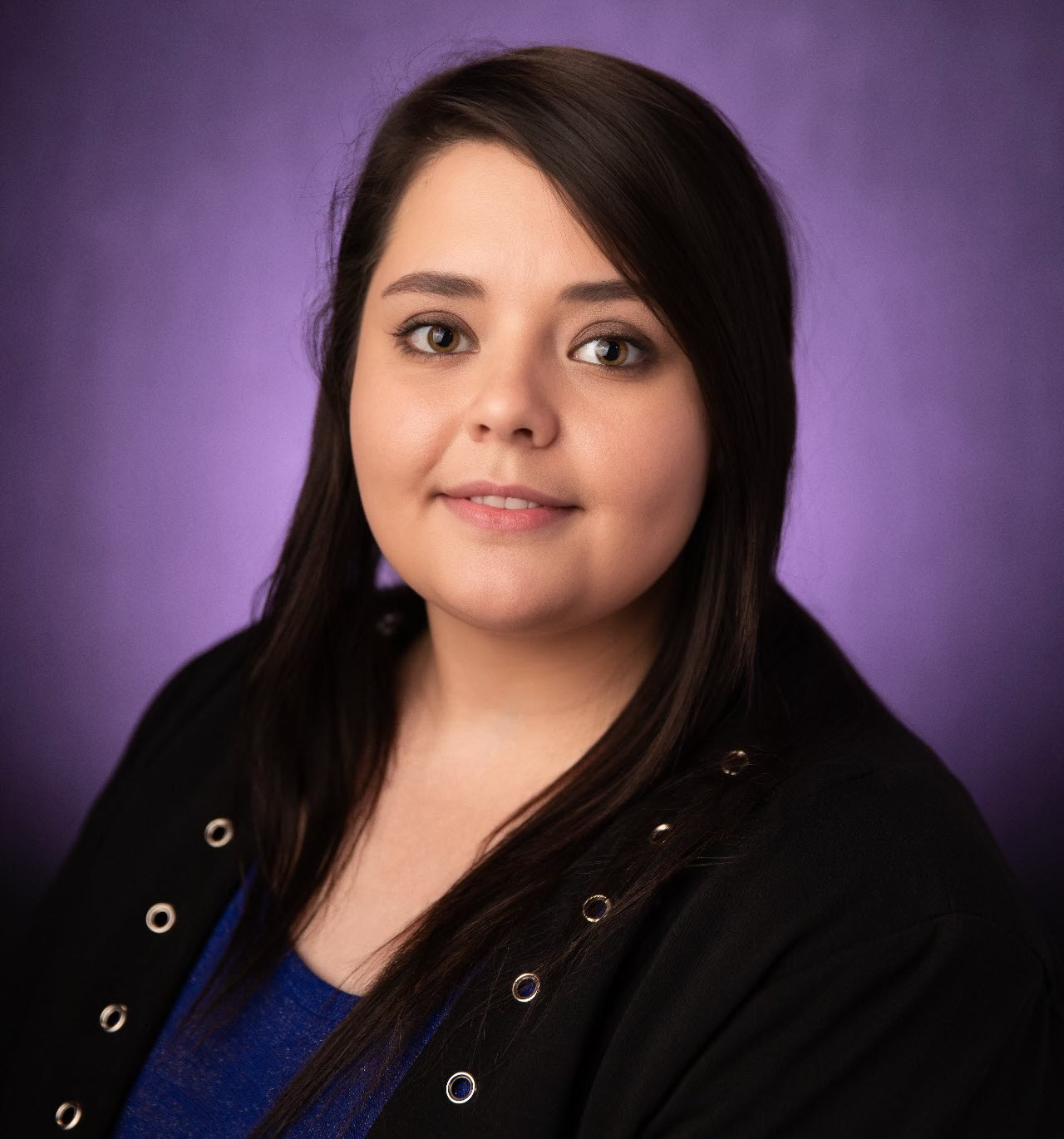
About the Author
Dr. Jericha Hopson is the IT Business Relationship Manager for Research at Tarleton State University, where she drives strategic partnerships between researchers and technology teams. Passionate about innovation and collaboration, she leverages over a decade of experience in higher education to enhance research outcomes and foster digital transformation.