Change Doesn’t Fail Because of Technology. It Fails Because of People.
Every organization has a story about change.
A new system that didn’t land. A transformation initiative that lost momentum. A technology investment that promised efficiency, insight, and growth… but quietly became shelfware. When these efforts struggle, the explanation is almost always technical. The tool was too complex. The system wasn’t mature enough. The integration didn’t work as expected.
But experienced Business Relationship Managers know the truth.
Change rarely fails because of technology. It fails because the human system around it was never truly addressed.
Business Relationship Management is built on a simple but powerful understanding: value is created through relationships, not systems.
BRMs are not brought in at the end of change to “help with adoption.” They work upstream—shaping demand, aligning strategy at the start, and building shared understanding long before solutions are selected or deployed. This is core to the BRM capability and central to creating real change.

Technology evolves at extraordinary speed. Humans….not so much.
People need time to understand what is changing, why it matters, and how it connects to their priorities, pressures, and purpose. When organizations rush past this reality, resistance appears. Trouble ensues. Not because people are difficult, but because they are human.
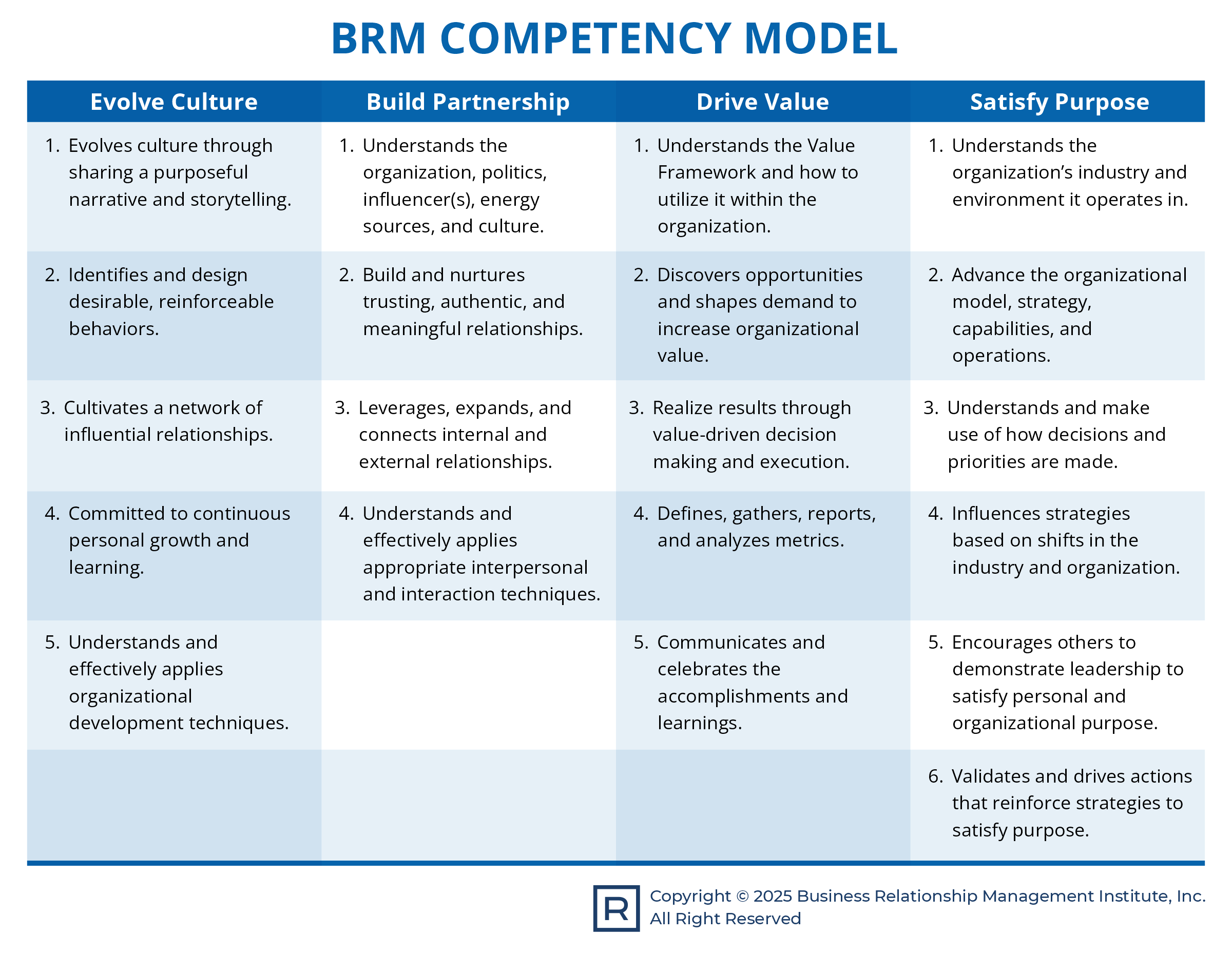
This is where BRM competencies come into play: Building partnerships, evolving culture, driving value and satisfying purpose. BRMs create the conditions for trust, alignment, and shared ownership—long before go-live.
Change doesn’t fail at implementation. It fails when relationships are overlooked early.
Change can disrupt routines, challenge expertise, and threaten identity. It often raises unspoken questions about relevance, value, and security. No amount of technical training can compensate for a lack of emotional readiness.
This is where BRM explicitly addresses this through competencies like partnerships, trust, stimulating and surfacing value and demand, and even influencing without formal authority. BRMs listen for what is not being said. They surface concerns before they harden into resistance.
They understand that people are quietly asking:
What does this mean for me?
Will I still be valued?
Do I trust the people leading this change?
Until those questions are acknowledged, progress remains fragile.
One of the most overlooked BRM insights is this: trust is a prerequisite for value realization.
Successful change looks less like a rollout and more like a relationship-driven journey. It unfolds through ongoing conversations rather than one-time announcements, relies on shared accountability instead of top-down mandates, and balances execution with empathy. This is the essence of a relationship-centered organization—one where collaboration, transparency, and mutual accountability enable sustained value. When people feel respected, included, and valued, change becomes something they actively participate in, not something imposed upon them.
Technology, in this context, is simply an enabler. People are the true drivers of transformation. Organizations that invest only in systems will continue to struggle with adoption, fatigue, and unrealized value. Those that invest in relationships—by building a mature BRM capability—create resilience, agility, and outcomes that last.
Change doesn’t fail because of technology.
It fails when we overlook the truth that organizations are built on relationships—not platforms or systems.